Back to Top

Tag Archives: bread

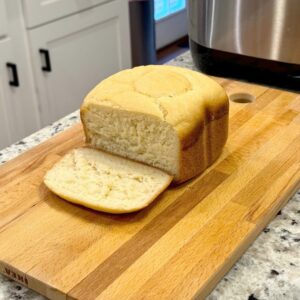
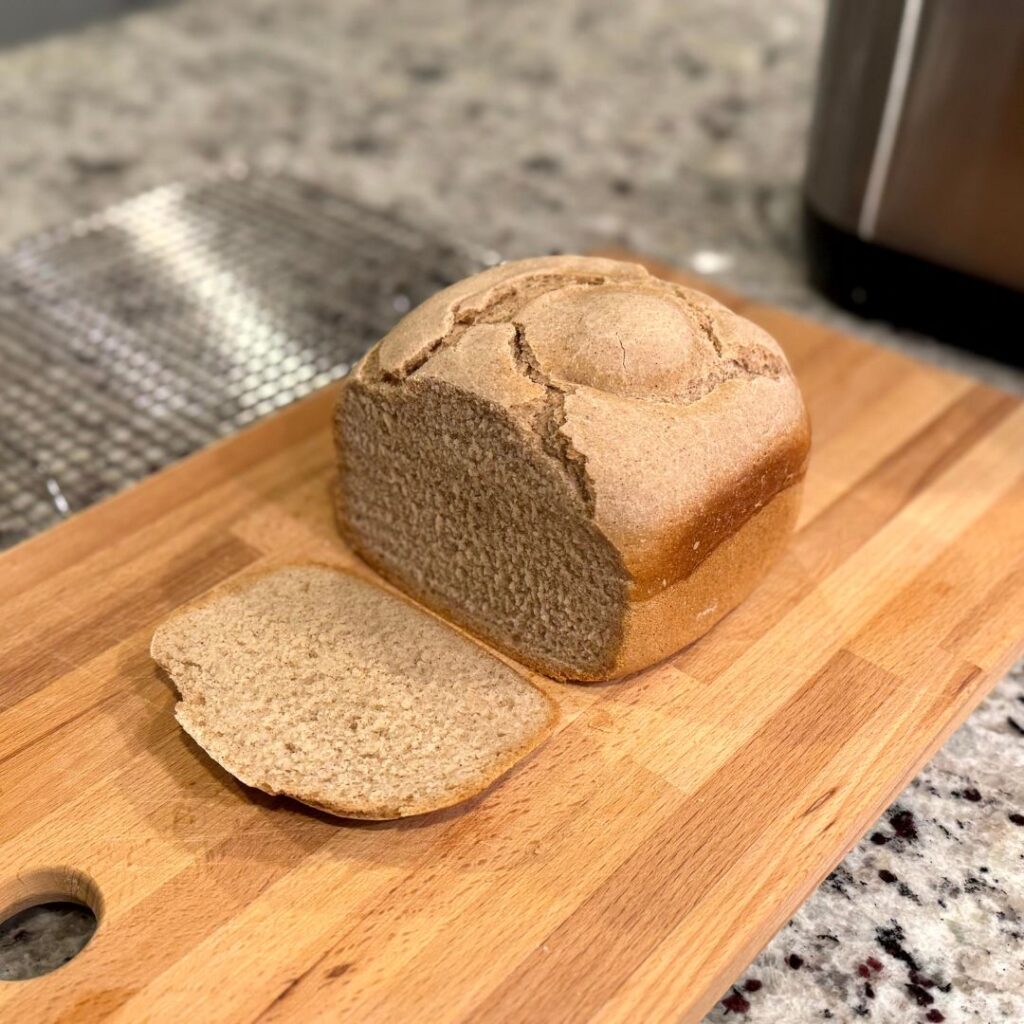
Bread Machine Gluten-Free Vegan Almond Flour Bread

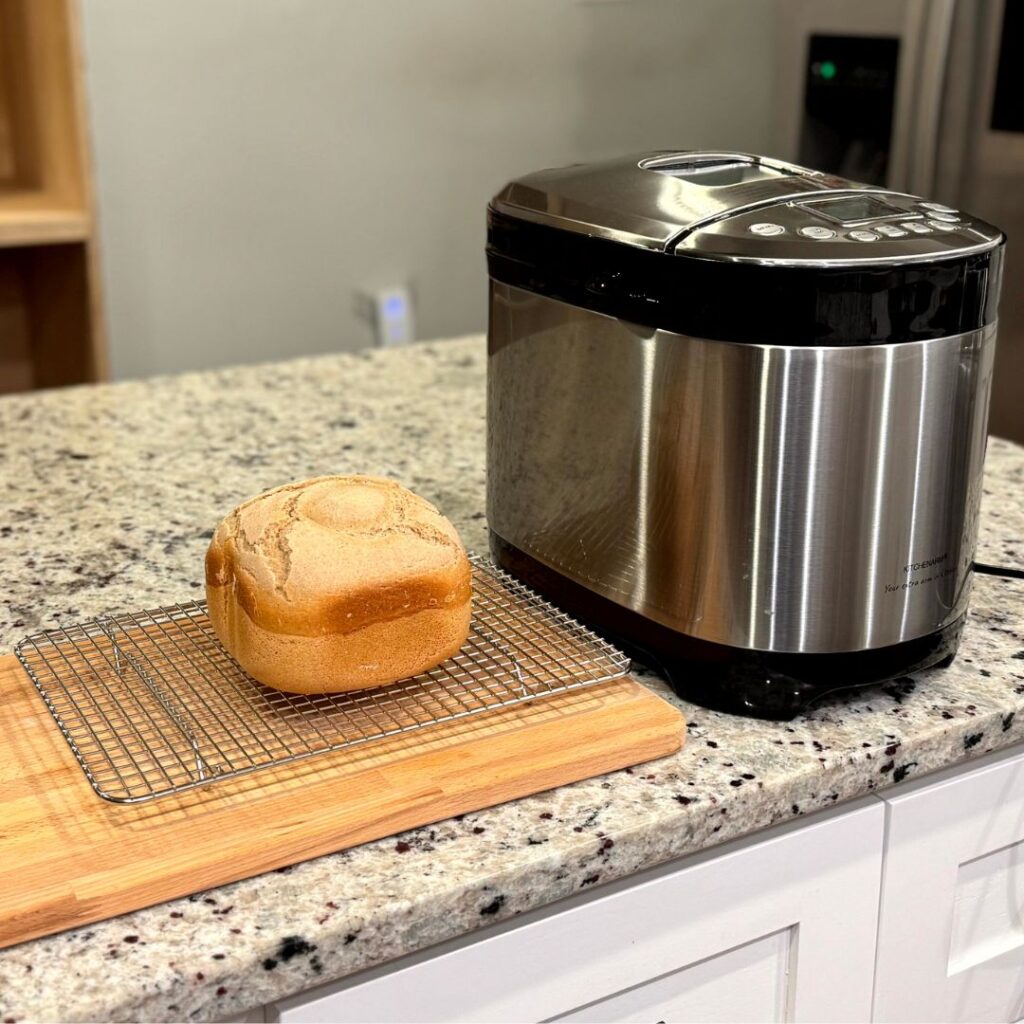
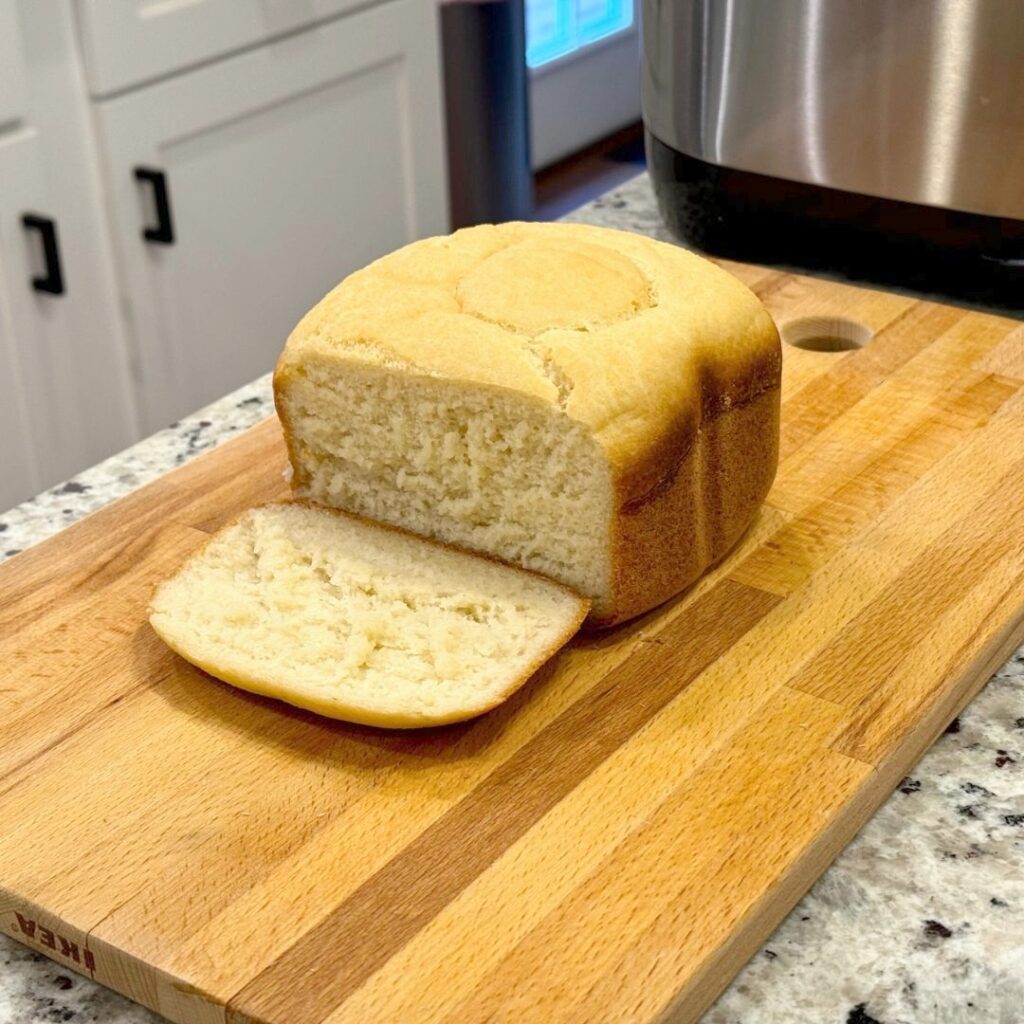
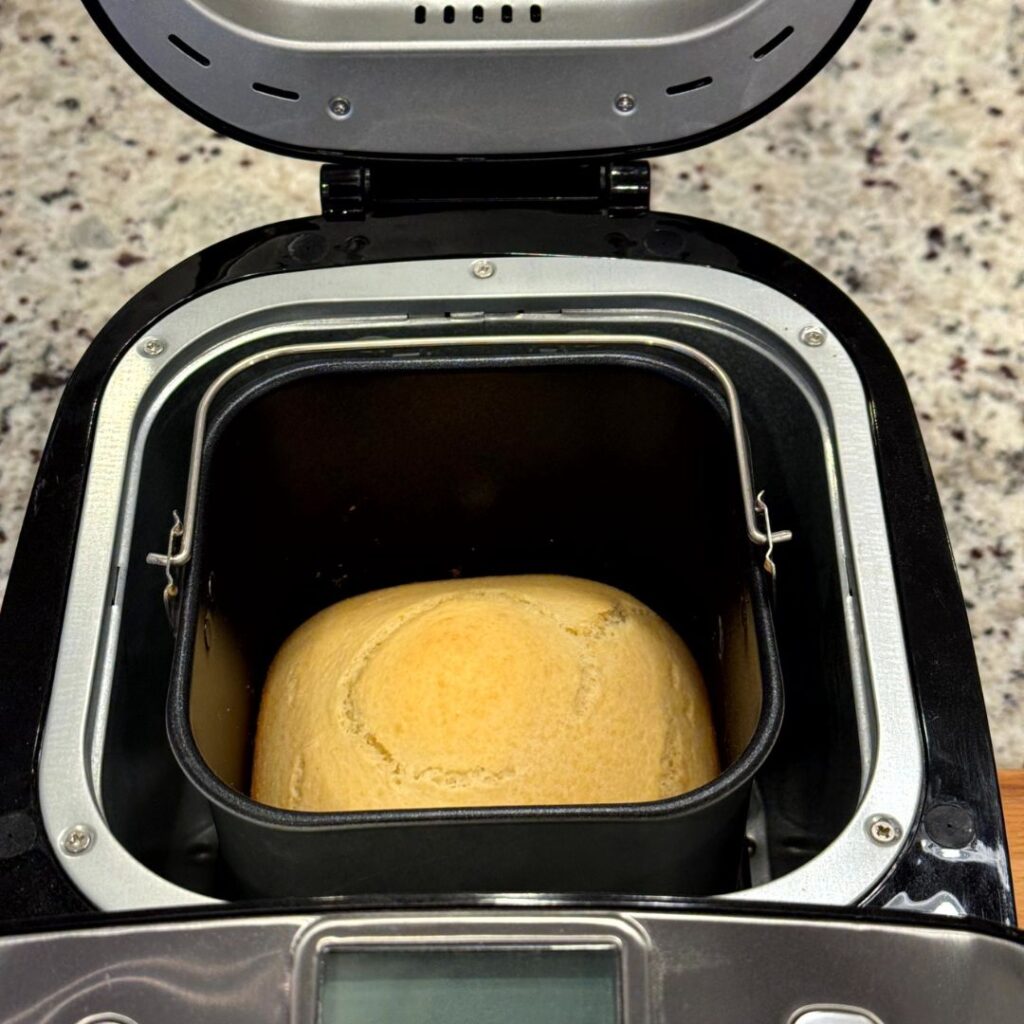
There’s nothing like the smell of fresh bread filling your kitchen, and when it’s homemade, gluten-free, and vegan, it’s even better! This Gluten-Free Vegan Almond Flour Bread is one of my new go-to recipes because it’s simple, soft, and sliceable—perfect for everything from toast in the morning to hearty sandwiches. Plus, with the bread machine doing most of the heavy lifting, it’s basically a “set it and forget it” recipe. In the step-by-step YouTube video below, I walk you through exactly how to make this loaf from start to finish so you can bake along with me.

One of the most important things to remember in gluten-free baking is accuracy in measurements. Unlike traditional wheat bread, gluten-free loaves depend on a very specific ratio of starches and flours to get the right rise and crumb. Scooping flour with a measuring cup can lead to inconsistencies, and that’s where a digital kitchen scale comes in. Measuring in grams ensures that every single loaf comes out the same—light, fluffy, and delicious. Once I made the switch to weighing my flours, my bread machine recipes became reliable every time. If you’ve had issues with gummy or sunken loaves in the past, I highly recommend giving this technique a try.
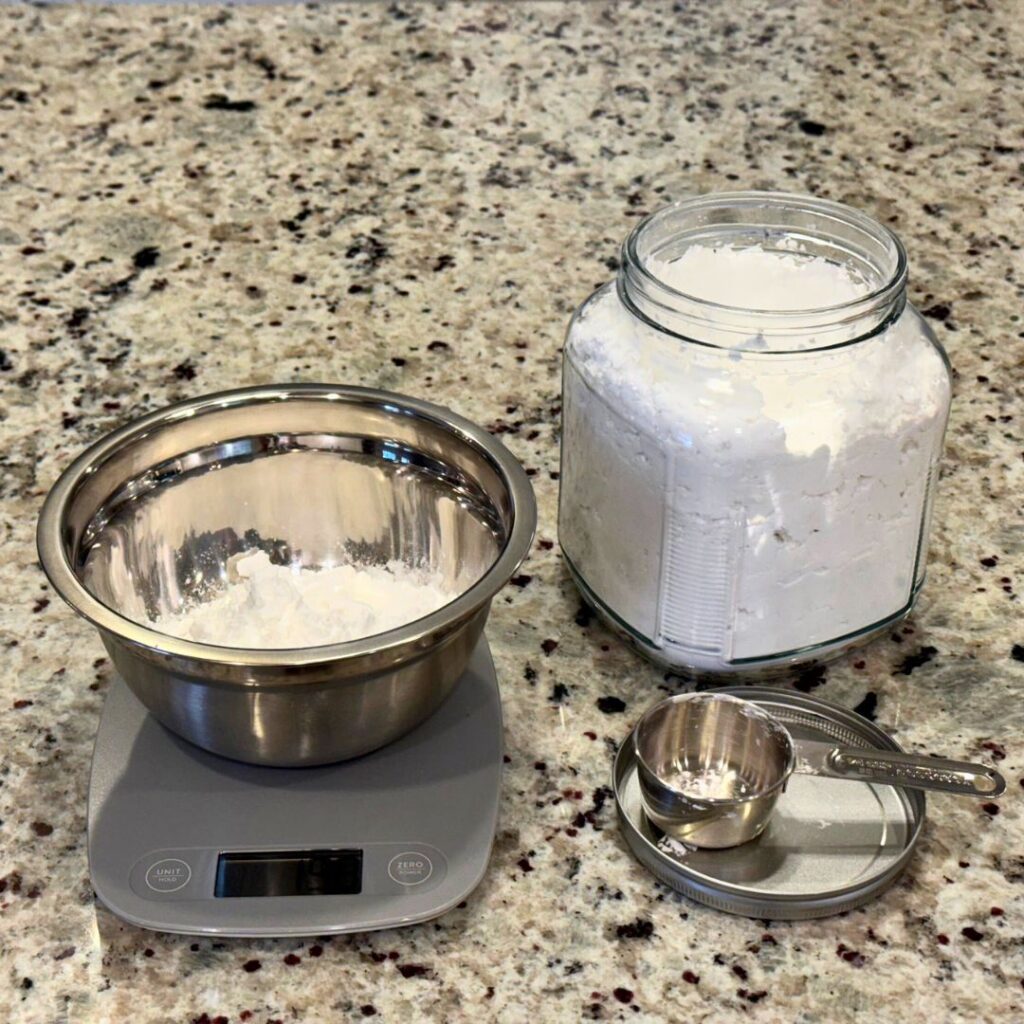
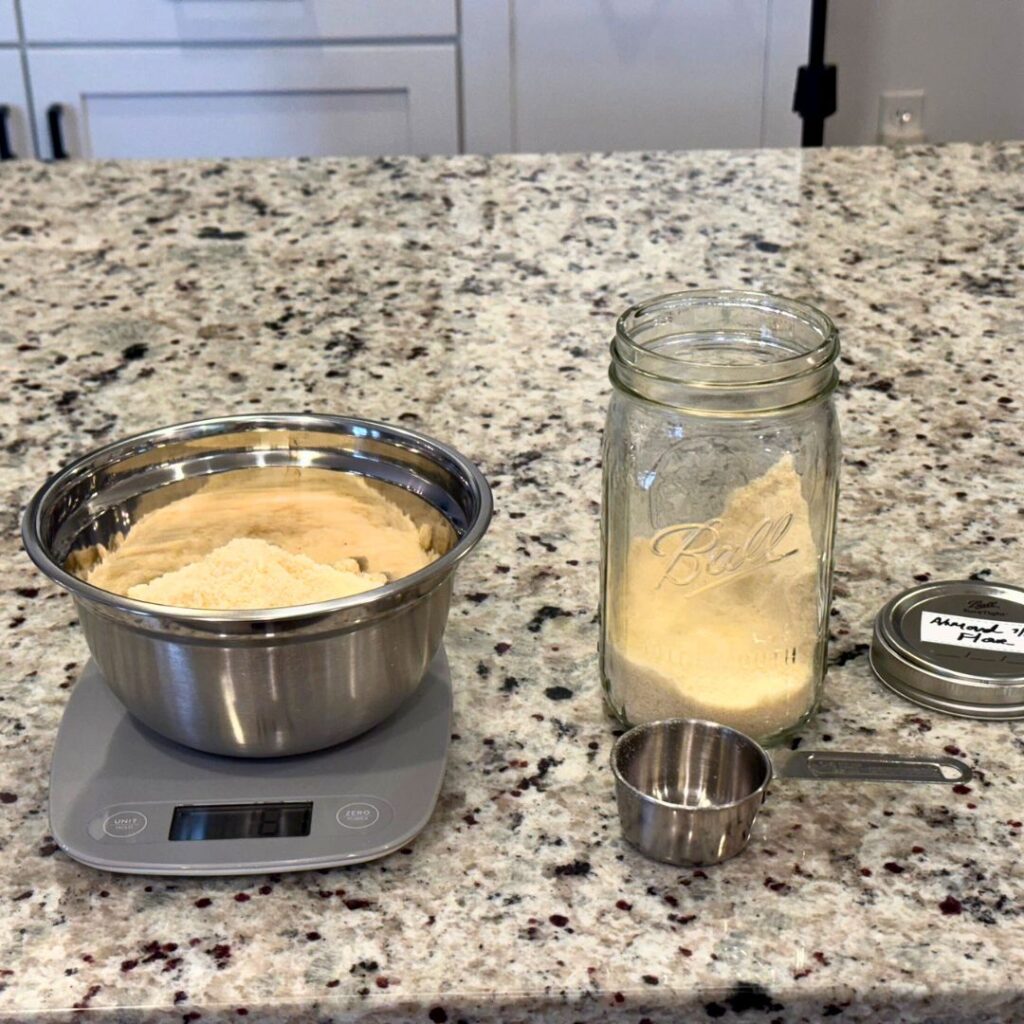
Now let’s talk about almond flour. It’s no secret that almond flour can be expensive, which is why buying in bulk is the way to go. For this video, I used Trader Joe’s almond flour because it’s easy to grab locally and works beautifully in this recipe. However, when I stock up, I plan on buying the Blue Diamond Almonds Almond Flour, Gluten Free. The 3 lb. bag comes out to just 24 cents an ounce, which is a great price compared to smaller bags you’ll find in stores. Almond flour not only adds a rich, nutty flavor to this bread, but it also gives it a wonderful softness that makes every slice satisfying.
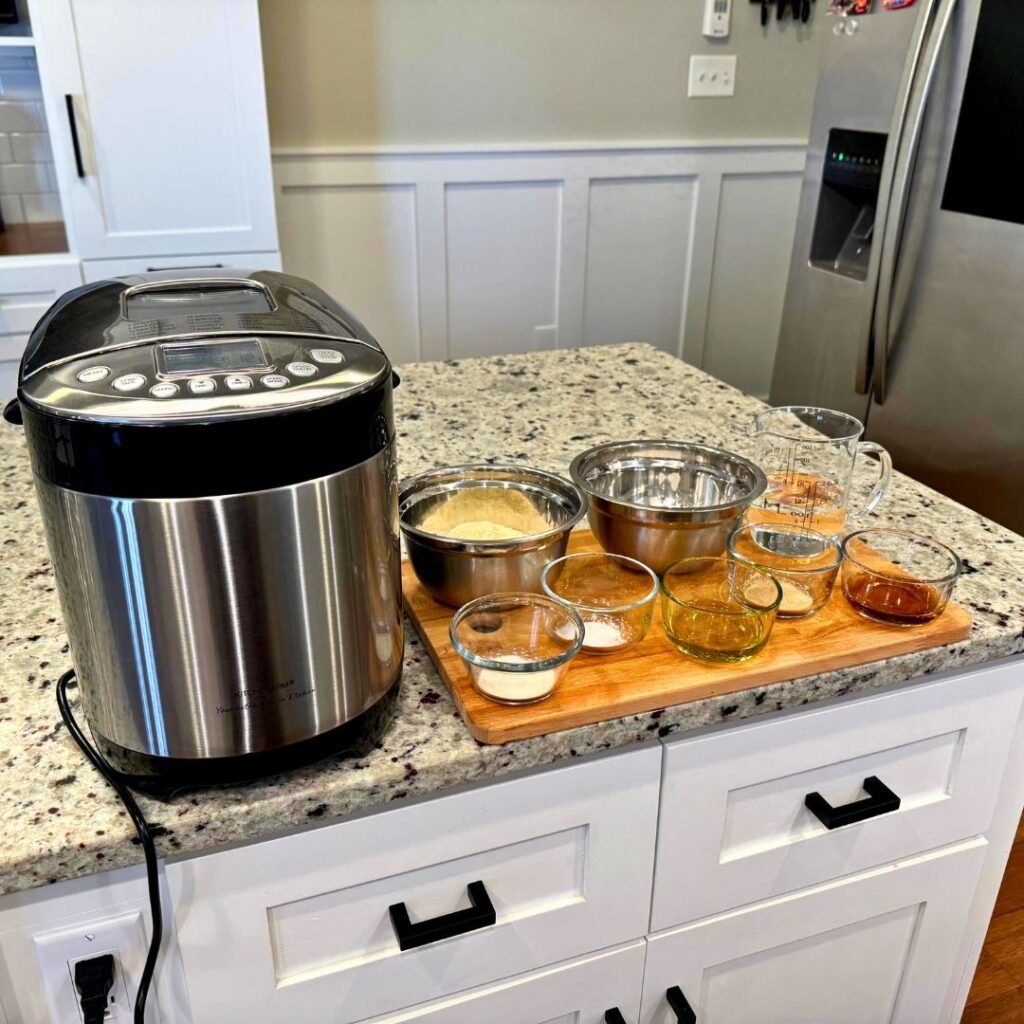
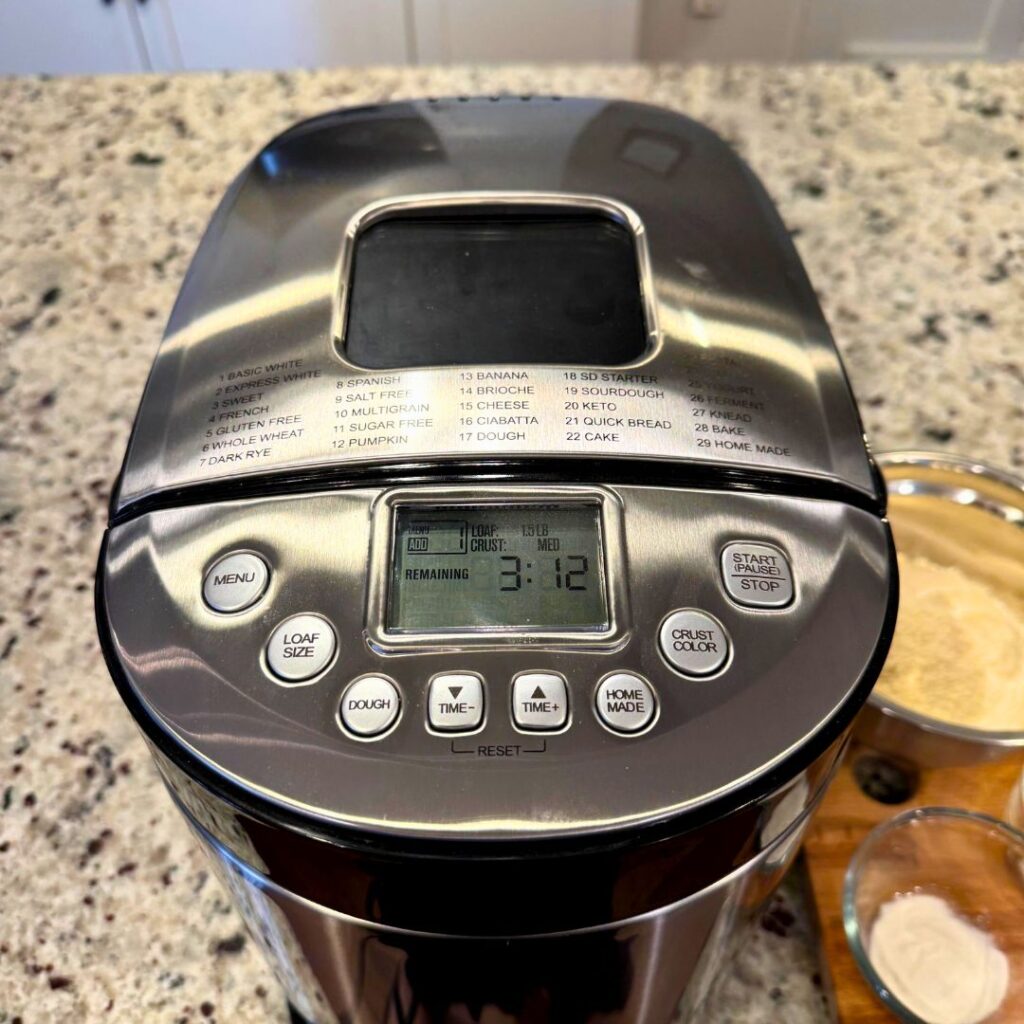
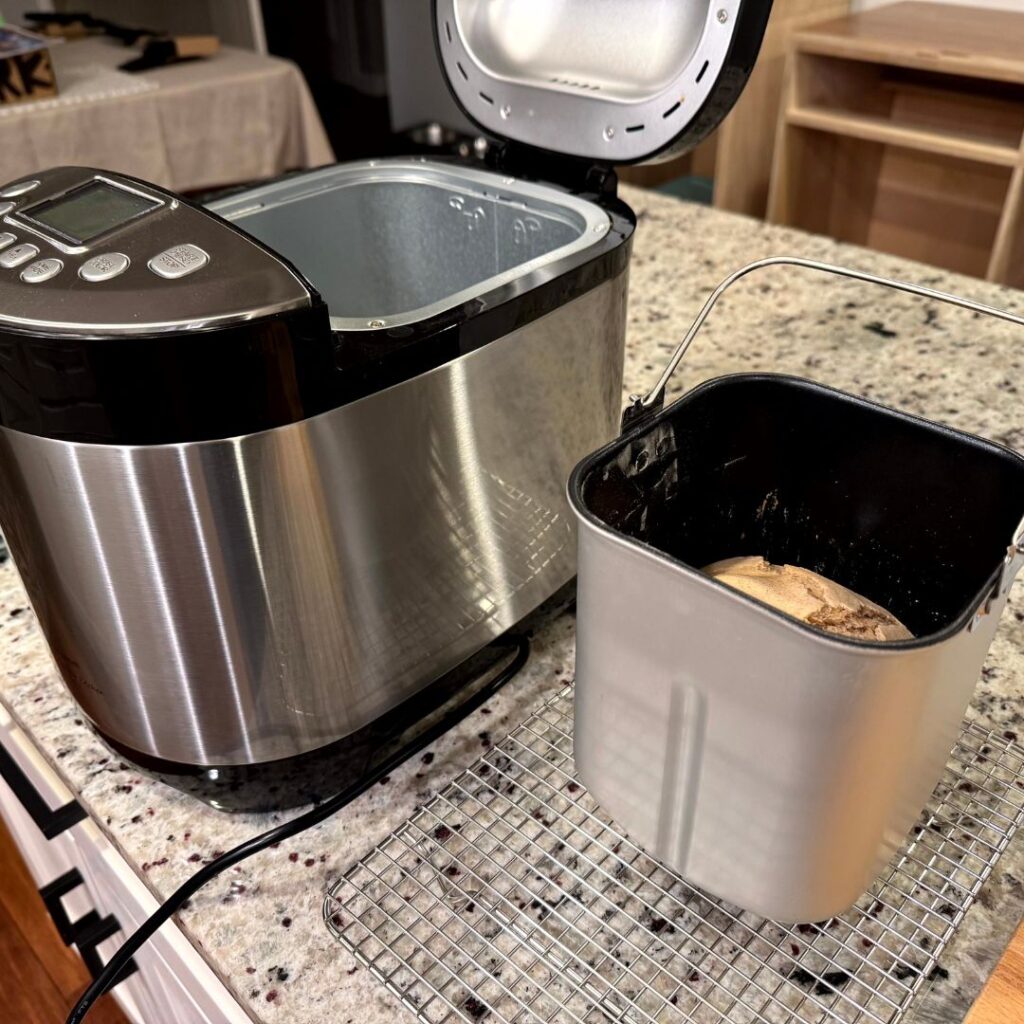
Here’s a quick look at the tools and ingredients I used for this recipe, in case you want to follow along with the same setup. My bread machine of choice is the KITCHENARM 29-in-1 SMART Bread Machine, which has a dedicated gluten-free setting that makes baking so much easier. For starches and flours, I like Food to Live Organic Potato Starch and Blue Diamond Almond Flour. To measure everything out, I rely on my kitchen scale, along with this measuring cup set and Prep Stainless Steel Mixing Bowls. Once the bread is baked, I let it cool completely before storing it in a Tafura Bread Container, which keeps it fresh for up to three days. I also love using a wide-mouth 32 oz. canning jars to store extra flours and starches in my pantry, sealed up tight with an Electric Mason Jar Vacuum Sealer. Having the right tools really makes gluten-free bread baking smoother and more enjoyable.
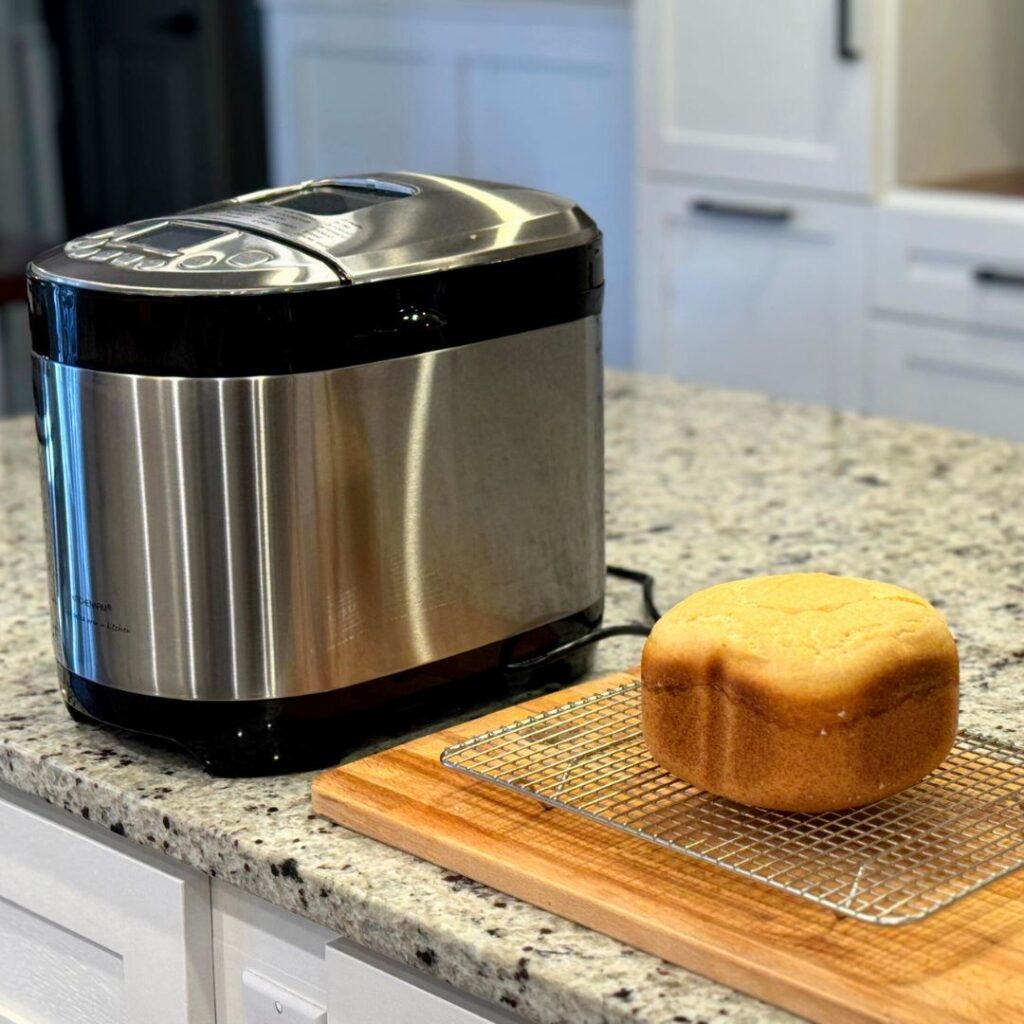
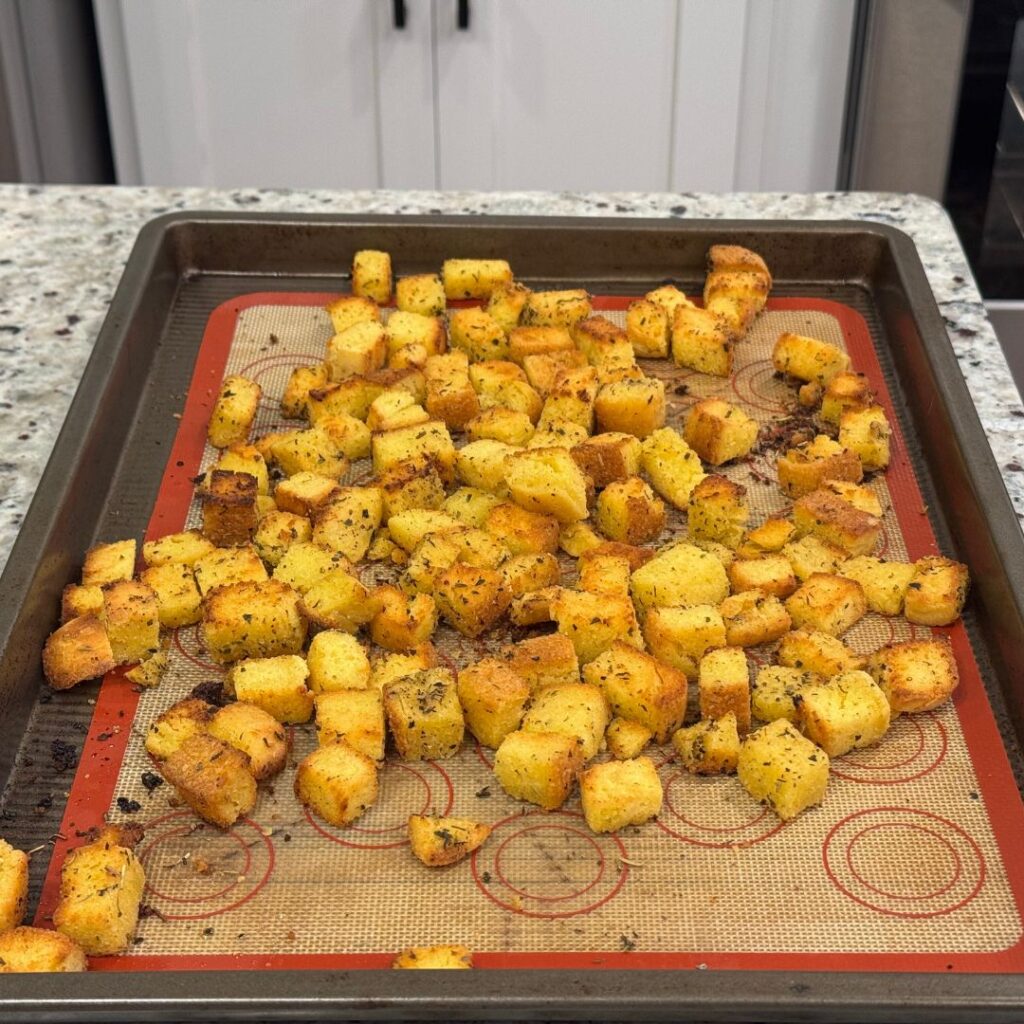
Of course, like most homemade breads, this loaf is best enjoyed within the first few days. After about three days, it starts to lose that soft, fresh quality and becomes a little denser. That’s when I turn my leftovers into crispy, flavorful croutons! If you haven’t already, check out my recipe for Homemade Italian Croutons. It’s the perfect way to give stale bread new life, and those crunchy golden cubes are amazing on top of soups and salads.
Bread Machine Gluten-Free Vegan Almond Flour Bread

Soft, sliceable, and perfect for toasting. A weekend staple in our home!
Prep Time 15 minutes
Cook Time 3 hours
Total Time 3 hours 15 minutes
Course Baking

Equipment

  • 1 Bread machine with gluten-free setting

Ingredients
  

Liquids

  • 1 1/4 cup water room temperature (300 ml or 300 grams)
  • 2 1/2 tbsp. olive oil
  • 2 tbsp. maple syrup room temperature

Dry Ingredients

  • 199 grams potato starch 1 3/8 cups
  • 181 grams almond flour 1 1/2 cups
  • 1 tsp. salt
  • 1 3/4 tsp. xanthan gum 5.3 grams
  • 1 tsp. instant active yeast 3 grams

Instructions
 

  • Prep Like a Pro
    Measure the maple syrup and water first, and allow them to come to room temperature. Cold ingredients can mess with the rise.
    For best results, weigh your flours and starch using a digital kitchen scale. Trust me, it makes a huge difference in gluten-free baking!
  • Secure the Paddle
    Double-check that the paddle is locked in place at the bottom of your bread maker’s pan. You don’t want to forget that step.
  • Layer the Ingredients – In Order!
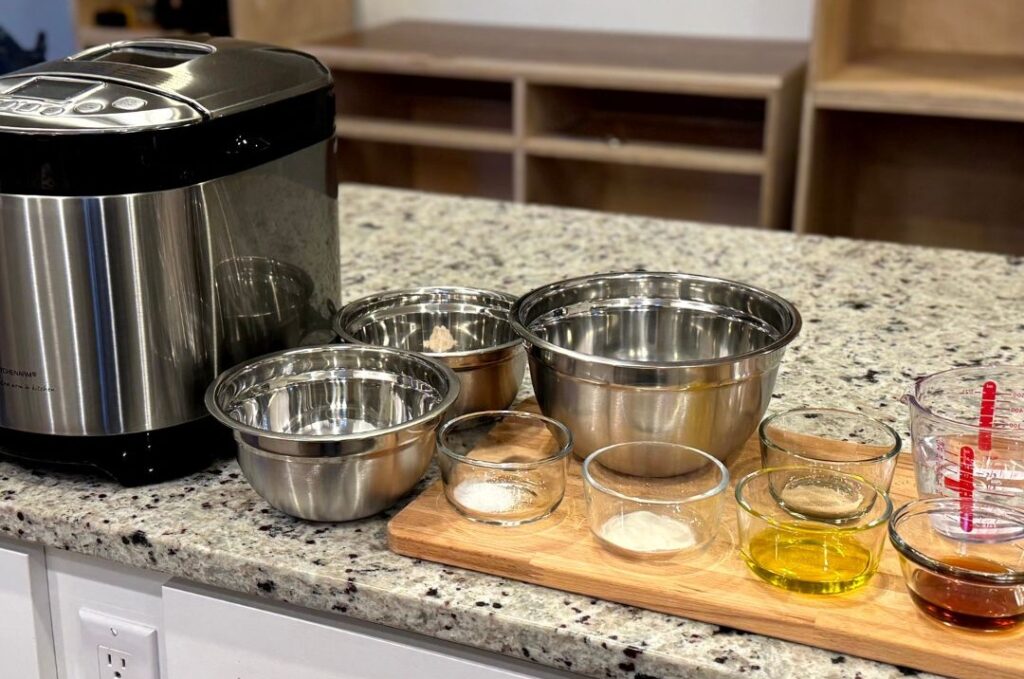
    First, the liquids: water, maple syrup, and olive oil.
    Next, the dry ingredients: potato starch, almond flour, salt, and xanthan gum.
    Last but not least: sprinkle the yeast right in the center, on top of the flour. Avoid letting it touch the liquid—this helps control the rise time.
  • Set It and Forget It (Almost)
    Select the gluten-free setting on your bread machine. Be sure to set it to a 1.5 lb loaf. I also like to choose the dark crust option for a little extra texture. Hit start and let your machine do the work: mix, rise, and bake!
    Tip: After the first mix, use a spatula and push down any excess up to high; this will allow the loaf to bake uniformly.
  • Cool and Serve
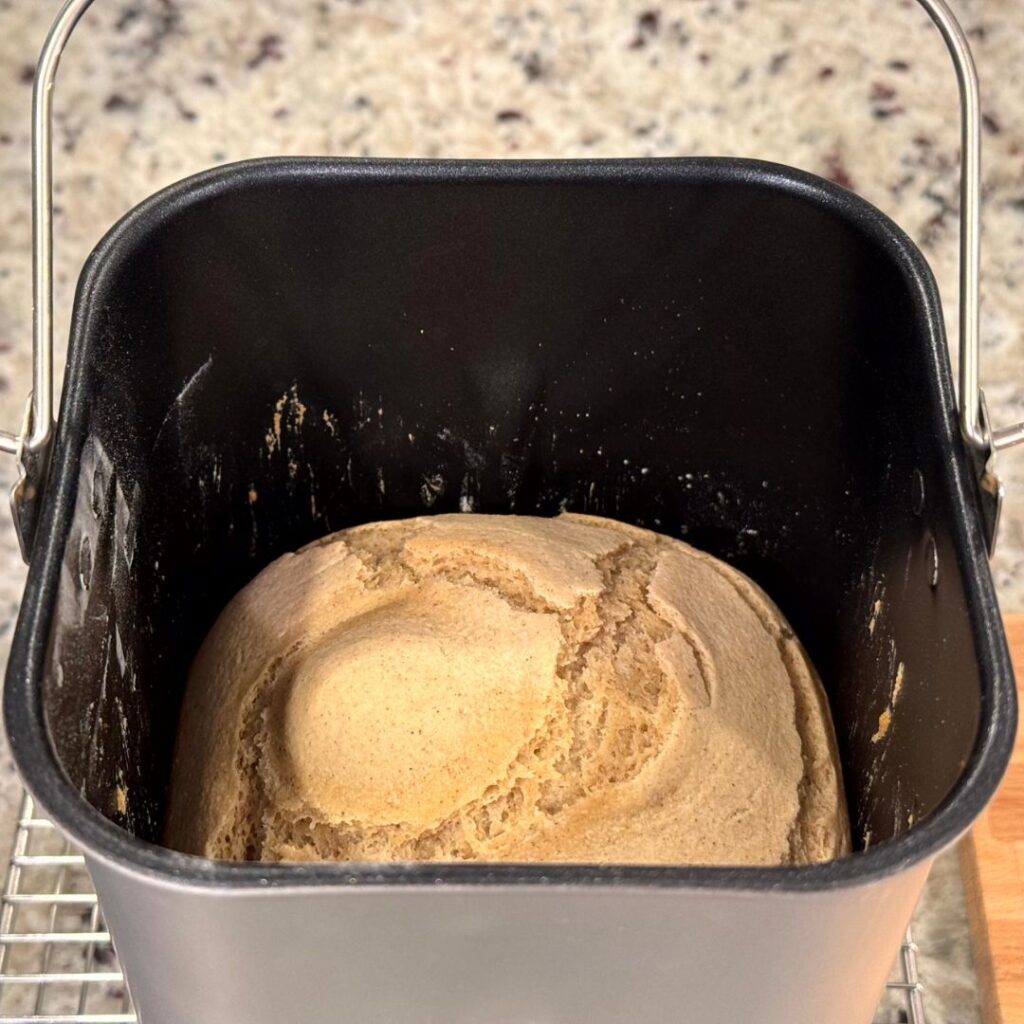
    When the cycle is complete, let the bread sit in the pan with the lid open for a few minutes. Carefully remove the pan using oven mitts—it's hot! Flip the pan and gently shake the loaf out. Use the metal hook (if provided) to remove the paddle from the bottom. Let the loaf cool completely on a wire rack before slicing or storing.

Notes

Store your cooled loaf in an airtight container at room temperature for up to 3 days.
After day 3, it starts to get a little dense—perfect time to cube it up for homemade croutons or toast!
Want a tighter crumb for sandwiches? Let the loaf cool completely before slicing, and use a serrated knife for clean, even cuts.
Keyword Bread

I hope you give this Gluten-Free Vegan Almond Flour Bread a try! It’s a simple, reliable bread machine recipe that delivers a soft loaf every time, and once you try it, I think it’ll become a regular part of your baking rotation. Don’t forget to watch the video below for step-by-step guidance, and let me know in the comments how your loaf turns out. Happy baking!
Turn Stale Bread Into Crispy Homemade Italian Croutons

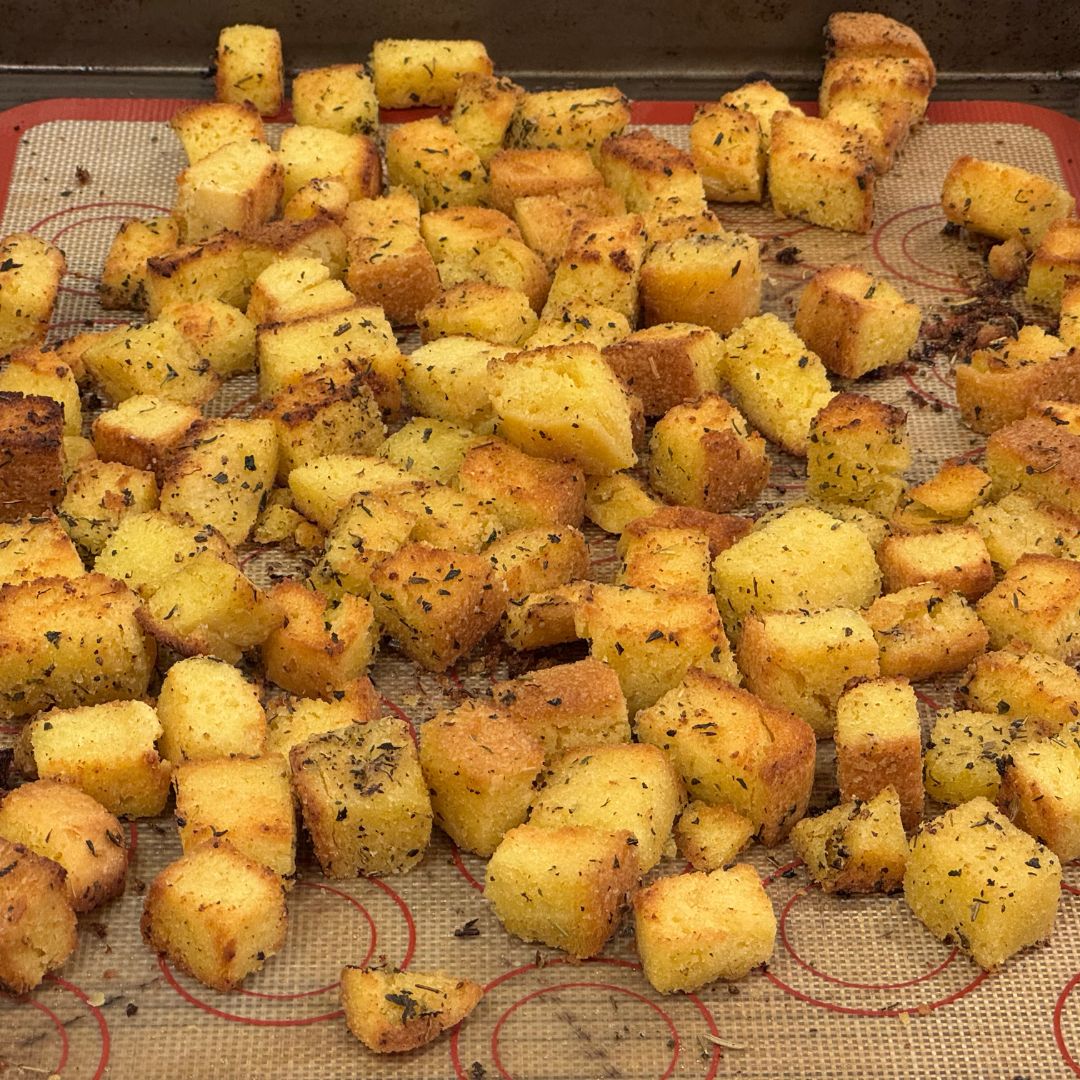
If you’ve ever had a loaf of bread start to go stale, don’t toss it! With just a few simple ingredients, you can transform almost-stale bread into delicious, crispy homemade Italian croutons. These croutons are perfect for adding crunch to salads, soups, or even enjoying as a snack. Follow my step-by-step YouTube video to see just how easy it is to make this simple, flavorful treat.

If you love baking your bread, you know that homemade loaves usually lack preservatives, which means they start to firm up after just a few days. Check out my collection of bread recipes here. When your bread starts to go stale, usually after three days, it’s the perfect opportunity to salvage it by making croutons. Not only does this reduce waste, but it also gives you a tasty kitchen staple that keeps well in an airtight container.

Here’s the simple recipe. Feel free to experiment with additional herbs or spices to match your flavor preference.

Homemade Italian Croutons

Crispy, flavorful, and perfect for salads, soups, or snacking!
Prep Time 5 minutes
Course Salad

Equipment

  • 1 oven
  • 1 baking pan

Ingredients
  

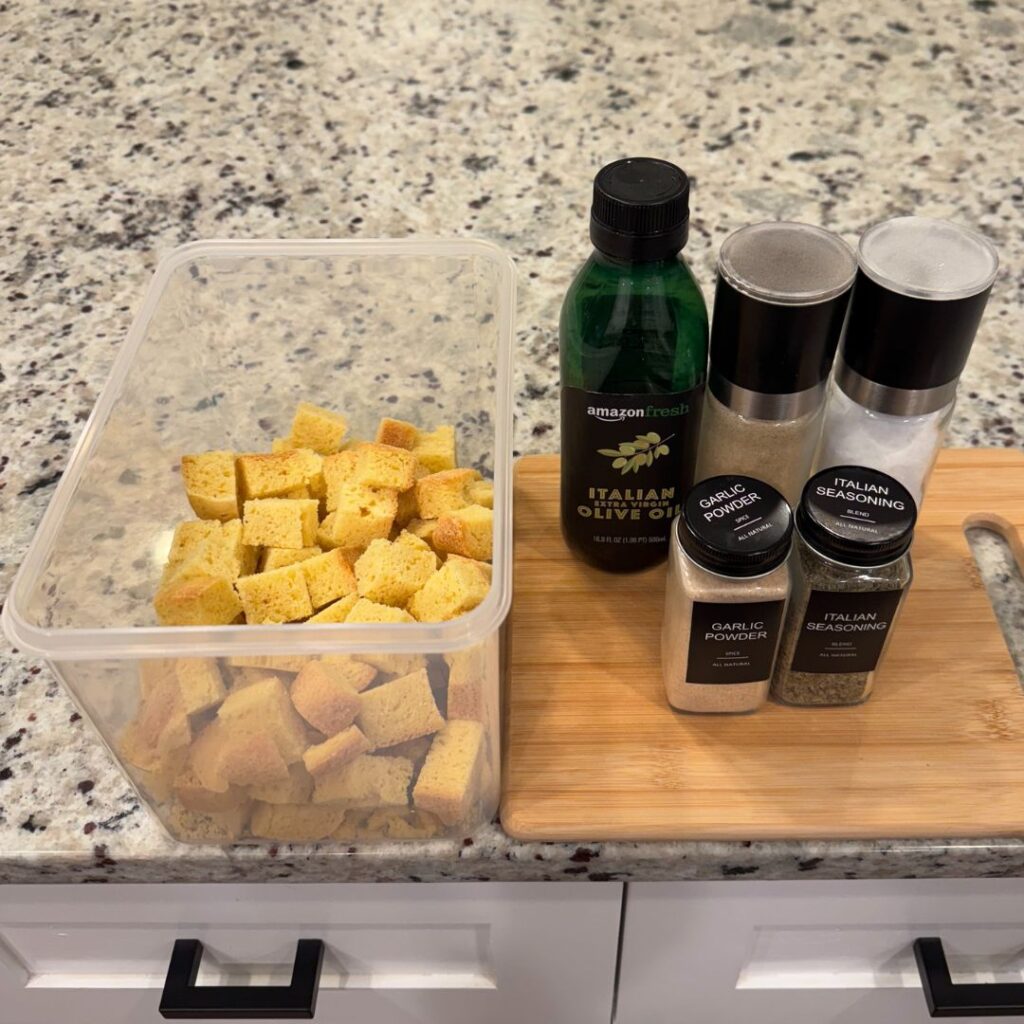
  • 1 loaf bread (10-12 oz), cut into 1-inch cubes
  • 1/4 cup olive oil
  • 2 tsp Italian seasoning
  • 1 tsp garlic powder
  • 1/2 tsp salt
  • 1/2 tsp black pepper

Instructions
 

  • Preheat your oven to 400°F (200°C).
  • Cut your bread into 1-inch cubes. Almost stale bread works best—it soaks up the seasoning without becoming soggy.
  • In a large mixing bowl, toss the bread cubes with olive oil, Italian seasoning, garlic powder, salt, and black pepper until evenly coated.
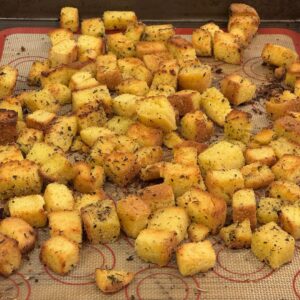
  • Spread the seasoned bread cubes on a baking sheet in a single layer. Bake at 400°F for 10 minutes.
  • Carefully switch to the broiler on high for 1-2 minutes to get a golden-brown, crispy finish. Watch closely to prevent burning.
  • Allow croutons to cool completely. Store in an airtight container for up to one week.

Notes

  • Use sourdough, baguette, or gluten-free bread for different textures and flavors.
  • Add dried herbs like thyme, rosemary, or basil for a custom twist.
  • Sprinkle with vegan parmesan after baking for extra indulgence.

Save this recipe so you’ll always have a go-to way to turn leftover bread into something amazing. Homemade Italian croutons are quick, versatile, and utterly irresistible!

Soft, Sliceable & Simple: Bread Machine Gluten-Free Vegan Sorghum Rice Bread

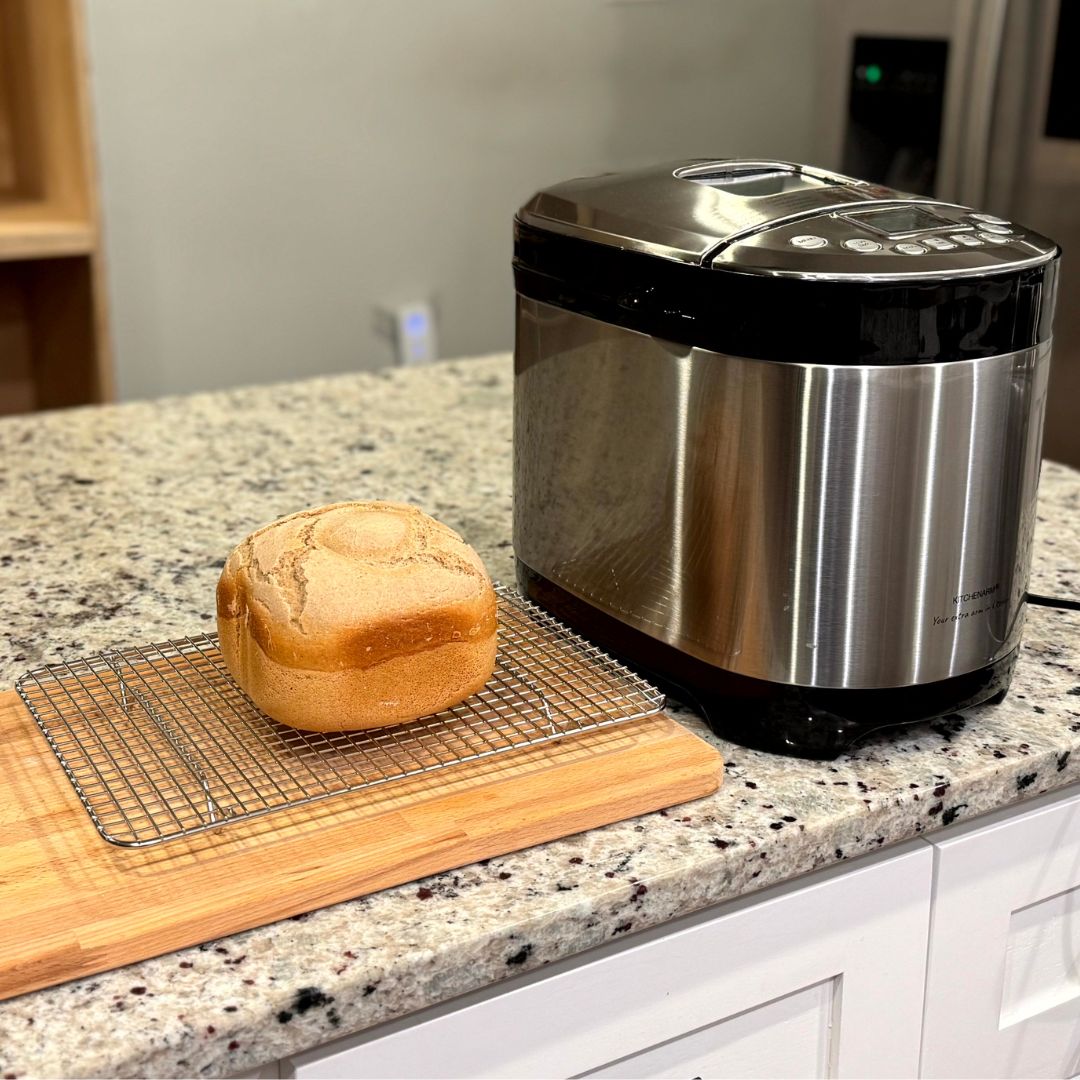
There’s nothing quite like the smell of fresh-baked bread wafting through the kitchen—especially when it’s a soft, gluten-free, and completely vegan loaf that you made yourself with minimal effort. This Bread Machine Gluten-Free Vegan Sorghum Rice Bread has quickly become a weekend ritual in our house. It’s the kind of bread you can rely on for toast in the morning, sandwiches at lunch, or even a warm slice with a little vegan butter when you’re craving comfort food. In the step-by-step YouTube video, I walk you through every part of this recipe—from measuring the flours to setting the bread machine—so you can bake this loaf right along with me.

One of the biggest game-changers in gluten-free baking is using a kitchen scale to measure your ingredients—especially the flours and starches. In traditional baking, scooping a cup of flour might work okay, but gluten-free blends are a little more sensitive. Measuring by weight gives you consistency every single time. One loaf won’t rise beautifully while the next flops—all because of a scooping difference. When it comes to gluten-free bread, grams are your best friend. Once I started using a digital scale, my loaves became so much more reliable—and delicious!

Now, let’s talk ingredients. This recipe keeps things simple but powerful with just a few gluten-free pantry staples. The dry blend includes potato starch, sorghum flour, and brown rice flour—a trio that gives this bread a soft crumb and golden crust. Xanthan gum adds a bit of structure in place of gluten, and instant yeast gives the rise. On the liquid side, we’ve got water, olive oil, and maple syrup, which not only helps with rising but adds just a touch of subtle sweetness. It’s a beautiful balance of whole-grain flavor and light texture—great for everything from avocado toast to hearty sandwiches.

To make this bread, I use the KITCHENARM 29-in-1 SMART Bread Machine. It has a dedicated gluten-free setting that’s been incredibly reliable and easy to use—plus, the dark crust option gives this loaf a gorgeous finish. For flours, I’ve tested several, and love both Food to Live Organic Potato Starch and Bob’s Red Mill Potato Starch as options. For sorghum flour, I’ve used both Food to Live Organic Sorghum Flour and Bob’s Red Mill Sorghum Flour. I’ve also had great results with Bob’s Red Mill Brown Rice Flour. Everything gets portioned out in my trusty stainless steel mixing bowls, and I use this measuring cup set for liquids and smaller ingredients. Once the bread is done, I store it in this airtight Tafura Bread Container to keep it fresh for up to three days—if it lasts that long!

Bread Machine Gluten-Free Vegan Sorghum Rice Bread – 1.5 lb.

Soft, sliceable, and perfect for toasting. A weekend staple in our home!
Prep Time 10 minutes
Cook Time 3 hours
Total Time 3 hours 10 minutes
Course Baking

Equipment

  • 1 Bread machine with gluten-free setting

Ingredients
  

Liquids

  • 1 1/4 cup water  room temperature (300 ml or 300 grams)
  • 2 1/2 tbsp olive oil
  • 2 tbsp maple syrup room temperature

Dry Ingredients

  • 199 grams potato starch 1 3/8 cups
  • 116 grams sorghum flour 7/8 cup
  • 65 grams brown rice flour 1/2 cup
  • 1 tsp salt
  • 1 3/4 tsp xanthan gum 5.3 grams
  • 1 tsp instant active yeast 3 grams

Instructions
 

Prep Like a Pro

  • Measure the maple syrup and water first, and allow them to come to room temperature. Cold ingredients can mess with the rise.
  • For best results, weigh your flours and starch using a digital kitchen scale. Trust me, it makes a huge difference in gluten-free baking!

Secure the Paddle

  • Double-check that the paddle is locked in place at the bottom of your bread maker’s pan. You don’t want to forget that step (I speak from experience).

Layer the Ingredients

  • First, the liquids: water, maple syrup, and olive oil.
  • Next, the dry ingredients: potato starch, sorghum flour, brown rice flour, salt, and xanthan gum.
  • Last but not least: sprinkle the yeast right in the center, on top of the flour. Avoid letting it touch the liquid—this helps control the rise time.

Set It and Forget It (Almost)

  • Select the gluten-free setting on your bread machine. Be sure to set it to a 1.5 lb loaf. I also like to choose the dark crust option for a little extra texture. Hit start and let your machine do the work: mix, rise, and bake!

Cool and Serve

  • When the cycle is complete, let the bread sit in the pan with the lid open for a few minutes. Carefully remove the pan using oven mitts—it's hot! Flip the pan and gently shake the loaf out. Use the metal hook (if provided) to remove the paddle from the bottom. Let the loaf cool completely on a wire rack before slicing or storing.

Notes

Store your cooled loaf in an airtight container at room temperature for up to 3 days.
After day 3, it starts to get a little dense—perfect time to cube it up for homemade croutons or toast!
Want a tighter crumb for sandwiches? Let the loaf cool completely before slicing, and use a serrated knife for clean, even cuts.
Keyword Bread

I hope you give this recipe a try! Whether you’re new to gluten-free baking or a seasoned pro, this bread is one of those staples you’ll want to make again and again. It’s reliable, delicious, and oh-so-easy thanks to the bread machine. If you bake it, I’d love to hear how it turns out for you. Drop a comment below or tag me on social—there’s nothing better than seeing your creations come to life. Happy baking!